Gynaecomastia Surgery
in Harley Street
Advanced male breast reduction in London
Key facts
Gynaecomastia surgery, also known as male breast reduction surgery, is a highly sought-after procedure designed to correct enlarged or overdeveloped male breast tissue, creating a flatter, firmer and more masculine chest contour.
How it works: removal of excess skin, glandular tissue and/or fat from the chest
Anaesthesia: general anaesthesia
Recovery time: 4-6 weeks
Results: after swelling has settled down
Lasts: permanently if underlying cause is corrected
What is gynaecomastia surgery?
Gynaecomastia — often referred to as male breast enlargement, “man boobs” or male chest fat — can be caused by hormonal changes, genetics or persistent glandular tissue. Gynaecomastia surgery, or male breast reduction, is a tailored cosmetic plastic surgery designed to remove excess breast tissue and fat to restore a stronger, more masculine chest contour.
The procedure may involve liposuction, direct gland excision, or a combination of both depending on the severity of the condition and individual anatomy. Small, discreet incisions are placed strategically (often around the nipple) to minimise visible scarring and optimise aesthetic results.
Dr. Gino Vissers specialises in premium gynaecomastia surgery in London, delivering refined, permanent chest contouring for men who seek natural, masculine definition and renewed confidence. Our bespoke approach combines surgical precision with personalised care to create a flatter, well-defined chest that complements your physique.
Why choose gynaecomastia surgery in Harley Street?
Located in one of the UK’s most prestigious medical districts, Dr. Gino Vissers offers world-class surgical expertise and an elevated patient experience. We understand that male chest reduction is not only a physical transformation but also an emotional one — addressing self-image, confidence and quality of life. From your private consultation to post-operative aftercare, every step is personalised and discreet.
Should I undergo gynaecomastia surgery?
Gynaecomastia is a good procedure for anyone who wants to correct male breast formation. It is important that the underlying cause is addressed to ensure long-term results. During your consultation, Dr. Gino Vissers will assess your chest anatomy and skin quality, and determine whether you are a good candidate for gynaecomastia surgery.
Gynaecomastia surgery offers the following benefits:
- Significantly flatter, masculine chest contour
- Removal of excess glandular tissue and stubborn fat
- Enhanced confidence in clothing, at the gym and social settings
- Reduction of discomfort and physical irritation
- Minimal, well-concealed scarring tailored to male anatomy
Preparing for gynaecomastia surgery
Getting ready for your gynaecomastia surgery is just as important as the surgery itself. A little preparation goes a long way in making your recovery smoother, more comfortable, and stress-free. Here are some simple steps to help you feel confident and ready:
Follow your surgeon's guidance
Dr. Vissers will give you clear instructions to follow before surgery, such as pausing certain medications, supplements, smoking, or alcohol. These steps are all designed to keep you safe and help your body heal quickly, so think of them as part of your recovery plan.
Arrange support for after surgery
You’ll need someone you trust to take you home after your procedure, since you won’t be able to drive yourself. It’s also helpful to have a friend or family member nearby for the first day or two, just in case you need an extra hand. Give yourself permission to take a proper break from work and daily tasks so you can focus on resting.
Create a comfortable recovery space
Before your surgery, set up a cozy spot at home where you can relax. Keep a few extra pillows ready, and have ice packs available to ease any swelling. Place everything you might need, within easy reach so you don’t have to get up too often.
What happens during the procedure?
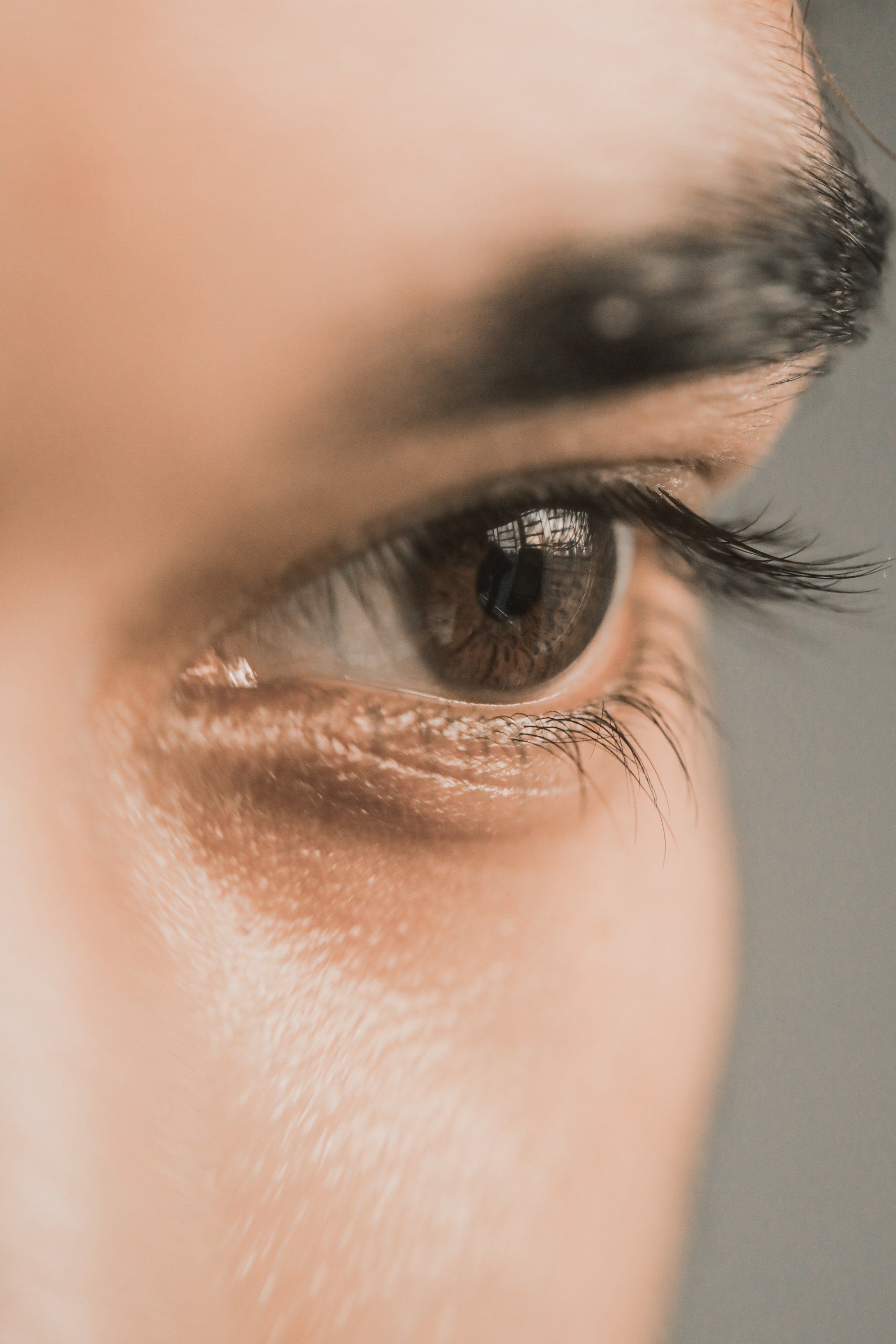
During the procedure, Dr. Gino Vissers will make discreet incisions along the natural creases of the upper eyelids, ensuring that the scars will be hidden. Through these incisions, excess skin and fatty tissue are carefully excised. This precise surgical technique results in a more open and refreshed eye appearance, restoring a youthful contour to the upper eyelids. At the end of the surgery, the skin is closed with stitches.
Upper eyelid correction can also be combined with other procedures, such as lower eyelid correction or brow lift, to achieve comprehensive facial rejuvenation. Dr. Gino Vissers will work closely with you to understand your unique aesthetic goals and develop a personalised treatment plan that best suits your needs.
What to expect after upper eyelid surgery?
Recovery after upper blepharoplasty typically involves a short downtime. Patients will need to take about a week off from work to rest and recover. Expect some swelling and bruising that will build over the first few days, then diminish, and slowly fade over the next 7-10 days. Dr. Gino Vissers may prescribe you some eye drops and/or ointment during this time for comfort.
Sleep on your back during the first 1-2 weeks to help minimise swelling and improve the healing process. You may wear glasses the day after your surgery, but wait for 2 weeks before using contacts lenses. You can exercise again after 2-4 weeks.
Patients should also avoid exposing their eyes to the sun, and use sunscreen (SPF50) to protect their scars from damage during healing.
Dr. Gino Vissers will provide detailed post-operative instructions to promote optimal healing and ensure a smooth and comfortable recovery process.
FAQ
Book your eyelid surgery in London
Looking for a consultant plastic surgeon in Harley Street with an expertise in eyelid surgery? Dr. Gino Vissers is ready to help you look and feel your best.
Call 020 375 00 422 or get in touch today to explore treatments and pricing.